The success of your garden begins with one fundamental factor – its soil and the microbes. This ensures a flourishing garden.  Living Soil Yum is our latest, tested all natural product to help our soils, plants and humans.  It is a mixture of our Microbe Grown Compost Humic and Fulvic Acid, Azolla, Comfrey, Yarrow, and Nettle.   Next to our Microbe Compost, this is your garden’s best companion. It will elevate soil structure, nutrient accessibility, and plant resilience, all contributing to vigorous growth and top-tier, nutrient dense produce.

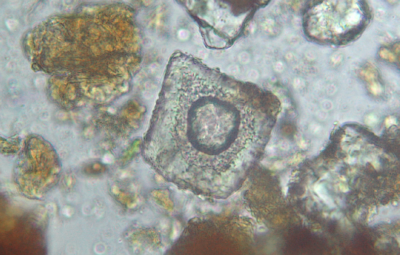
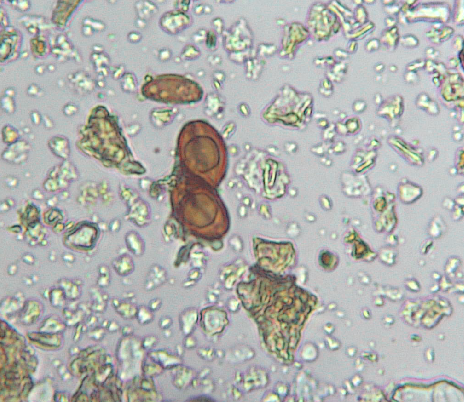
We are soil geeks and we love the microbes.    During our training with Dr Elaine ingham, she challenged us, the students, to create special recipes to increase biology in our BioComplete (TM) compost piles.  All students embark upon experiments studying and counting the microbes with our microscope.   Our goal is to increase the good guy biology.

Nic and I also are getting to know our Ecuadorian soils, the challenges we all face with soil restoration and we are finding solutions.    From our land, we hand picked precious plants high in mineral and nutrient contet.    We took our best and most diverse Microbe Compost and we made a blend that is amazing. 

We checked it in the microscope and we were pleasantly surprised. PUT CURSOR ON PHOTO FOR EXPLAINATION! 

This amazing blend is a supercharge for your garden’s vitality,!   The ingredients are Microbe Grown Compost Humic and Fulvic Acid, Azolla, Comfrey, Yarrow, and Nettle.   This is a haven for beneficial microbes .  When you add water, the spores and cysts will wake up!   The microbes, btw, are the ones that break down organic matter, releasing nutrients and safeguarding plants from pests and diseases.  Let’s look at the benefits.

Humic and Fulvic Acid

These acids are very complext compounds that science has not yet figured out.  These intricate organic acids form over millions of years through the decomposition of plants and animals. While their precise structure remains a mystery, their crucial role in soil health and plant growth is undeniable.   It is also beneficial for humans too.   It is interesting to note that fulvic and humic acid supplements are not regulated by the FDA, yet!   I suppose they cannot regulate something they can not understand.   That is good news for us!    .   I drink our compost extracts and teas for these acids.  Yes, I do!   I have a microscope to ensure only the good guys are home!

What does these complex molecules do for soils, plants and humans?

For the soil and plants:

  • Helps to transport nutrients into plant cells
  • Improves the soil’s structure and drainage
  • Chelates minerals, making them more available to plants 
  • Increases the water-holding capacity of the soil
  • Helps to detoxify plants from heavy metals and other pollutants
  • Helps to suppress soil-borne diseases 

For Humans:

  • Supports immune system function
  • Promotes detoxification of heavy metals and other toxins
  • Reduces inflammation
  • Enhances nutrient absorption
  • Boosts energy and athletic performance
  • Supports skin health
  • Supports wound healing
  • Supports gut health 

Azolla:   

This nitrogen-fixing fern enriches the soil with crucial nitrogen, supporting plant growth and optimizing water retention. Azolla is a versatile and beneficial soil amendment that can improve soil fertility, crop yields, and pest resistance. It is a rich source of nitrogen, organic matter, and it has been shown to suppress some soil-borne pests and diseases. Azolla is a fern that can also help to improve water quality by providing oxygen to aquatic ecosystems.   

Comfrey:

We comfrey both for its’ benefits for humans (bone knitting) and as a chop and drop in our gardens and pasture.   Comfrey is a nutrient-rich herb, delivering essential elements such as nitrogen, potassium and calcium. 

Yarrow:

Known for its soil structure-enhancing capabilities and deep-reaching roots that break up compacted soil. It also provides valuable nutrients like nitrogen, potassium, and calcium.  Yarrow is not native to Ecuador but our stock in the garden is growing happily.  

Nettle: 

Ah, the beautifil and yet dangerous nettle!   She is a favourite on my list of nutritive herbs.    She adds  iron, magnesium, potassium, and silica, reinforcing plant cell walls.

Such an amazing blend!   We are excited!

The Benefits of Our Soil Amendment

Improved Soil Structure
Our soil amendment enriches the soil’s structure by introducing organic matter and beneficial microbes, resulting in better drainage, aeration, and water retention.

Enhanced Nutrient Accessibility
It elevates nutrient availability by unlocking nutrients from organic matter and enhancing the soil’s capacity to hold them. The outcome? Quicker growth, increased yields, and superior-quality produce.

Resistance to Pests and Diseases
Strengthening plants, making them more resilient against pests and diseases, ultimately saving you time and money on treatments.

Promoting Plant Growth and Development
By supplying the essential nutrients and beneficial microbes, it paves the way for robust plant growth.

Applying Our Soil Amendment

To reap the benefits, dissolve 1 tbsp in litre of pure (non-chlorinated) water.   This can then be dilluted once again or give each plant a little drink.    Mix well and apply immediately to your plants and garden.   You can also ncorporate it into your compost pile to expedite and encrish the composting process. For optimal results, use it every few weeks throughout the growing season.   Even better, purchase our Aged Organic Matter (mixto) and blend!

Revitalize Your Garden! 

Boost your garden’s well-being and witness it thrive like never before.


When contemplating the wondrous process by which plants convert sunlight into sustenance, it’s a reminder of the vast diversity of life.  Much of our world is on fire!   Some is natural and some is not!   It has caused a fear of fire as something we most stop and prevent.   

Sun is fire.    Plants utilize this fire for food.   Basically we can say that plants are fire eaters.   This understanding, transcending our human-centric perspective, touches our hearts more profoundly than our rational minds. The realization that plants and flowers are born from the radiant energy of the sun invokes a deep sense of wonder. It’s in our hearts, not our intellect, that we truly grasp this miracle.

Wildfires are often seen as destructive, but they are also a natural part of many ecosystems. Fire helps to recycle nutrients, control pests, and promote the growth of new plants.

Humans have a long history of using fire, but we have also learned to fear it. We do everything we can to prevent wildfires, even though they are necessary for ecological balance.   Fire can destroy and give birth.    Sometimes, when we interrupt the natural fire cycles of the Earth, we throw the ecosystem out of balance.

Many flowers adapted with fire.  They teach us that it is possible to survive and thrive even after a devastating experience. They remind us that fire is a natural and necessary part of life.   The adaptation of certain flowering plants to thrive in fire-prone environments is nothing short of remarkable. Take, for instance Wild Hollyhock which I am attempting to grow in my garden.   In the wilds, this plant used the heat of fire to trigger its seeds to germinate. These seeds are like memory-keepers, preserving the ancient wisdom of survival in extreme climates. What can we, as humans, learn from these eons of plant-gathered knowledge?
These “fire-following” flowers not only survive but thrive in the aftermath of a fire. The reduction in competition and the release of nutrients from the ashes create fertile ground for their growth. This ability to seize opportunities in the wake of fires is reminiscent of the success story of early flowering plants over 100 million years ago.

After a fire, these dormant “fire-flowers” burst into a riot of colors, symbolizing the resilience of life. They seem to respond to the devastation of the wildfire with a fiery passion of their own, ushering in a new cycle of life in a display of breathtaking beauty.

Other fire-adapted plants, such as fireweed, arnica, fire poppies, and fire lily, also exemplify the tenacity and adaptability of life in the face of fire. Purple Coneflower, known for its strength, becomes even more resilient when it survives a fire. It conveys a message of strength and resilience, reminding us that we are part of this Earth and possess the power to overcome our fears.

The history of angiosperms is intertwined with fire. Angiosperms are flowering plants.   Paleobotanists have unearthed evidence of ancient angiosperms preserved in charcoal residues, showing that fire has played a surprising role in preserving the oldest of flowers. These early angiosperms adapted to reproduce more quickly than their predecessors, enabling them to thrive in newly disturbed environments. They evolved more efficient photosynthesis, transpiration, and growth, which contributed to their dominance.

In the geologic record, a “high-fire world” existed during the Jurassic and Cretaceous periods, where oxygen levels were higher, temperatures were warmer, and vegetation was abundant, providing ample fuel for fires. This fire-filled world facilitated the evolution and success of flowering plants.

In our culture, wildfires are often seen as destructive forces to be avoided at all costs. However, in nature, fire is one of the four fundamental elements, alongside water, air, and earth. It’s essential for ecological balance and has been a part of our human history for millions of years. We have a symbiotic relationship with fire, whether we realize it or not.

Yet, in modern times, we’ve become increasingly focused on suppressing wildfires, disrupting natural fire cycles, and altering ecosystems. This prompts us to reflect on the consequences of interfering with the natural order. Fire, in its various forms, serves as a cleansing force, removing what is no longer needed and opening space for new life to flourish. Just as the fire-follower flowers recall their origins, we too can learn from these natural processes.

Dr. Chad Hanson is a research ecologist and the director of the John Muir Project of Earth Island Institute, located in Kennedy Meadows, California. He has studied fire ecology in conifer forest ecosystems for decades, and his work has helped to shed light on the importance of natural fires in these ecosystems.

In his presentation, “Smokescreen: Debunking Wildfire Myths to Save Our Forests and Our Climate,” Dr. Hanson discusses how fear, arrogance, and greed have shaped the way that people view wildfires. He argues that these misconceptions have led to the mismanagement of wildfires, which can have negative impacts on forests and the climate.

Dr. Hanson’s work is closely aligned with the information shared about fire-adapted flowers. Both topics highlight the regenerative power of fire and the need to address misconceptions and misinformation about fire.

The interplay between fire-adapted plants, the ancient wisdom encoded in their seeds, and the role of fire in the evolution of flowering plants is a testament to the intricate dance of life on our planet. Fire, though often perceived as a destructive force, holds within it the potential for rebirth and renewal, a lesson we can all embrace as we navigate the challenges of life. 

Surviving a fire, being reduced to one’s bare essentials, and emerging anew, can be seen as a metaphor for personal growth and transformation. It’s a reminder that, despite the fear and destruction associated with fire, it can also foster new beginnings and offer a fresh perspective on life.

Fire is often seen as a destructive force, but it is also an essential part of many ecosystems. Natural fires help to rejuvenate the landscape, clear out dead and decaying matter, and create opportunities for new growth. This concept is closely related to the discussion about fire-adapted flowers that thrive in post-fire environments.


Death is the ultimate mystery, but did you know that our bodies are home to trillions of microscopic friends that help us function during life? These little microbes break down our food, produce vitamins, and keep us free from infection. But here’s where it gets really interesting – after we pass on, these dudes are just getting started!

When our hearts stop pumping, the bacteria dive into action, digesting the body from the inside out. And let’s just say you’ll want to cover your nose!

But there’s more. As our remains decompose, the bacteria and their fluids seep into the soil, mingling with a whole new crew of microbes. It’s a Wild West showdown, but the newcomers win the day. DNA clues show that they thrive outside the human body, turning our mortal remains into the building blocks for new life – including essential nutrients like nitrogen.

So next time you take a walk, take a moment to appreciate the little heroes that keep us weird and wonderful, even after death.

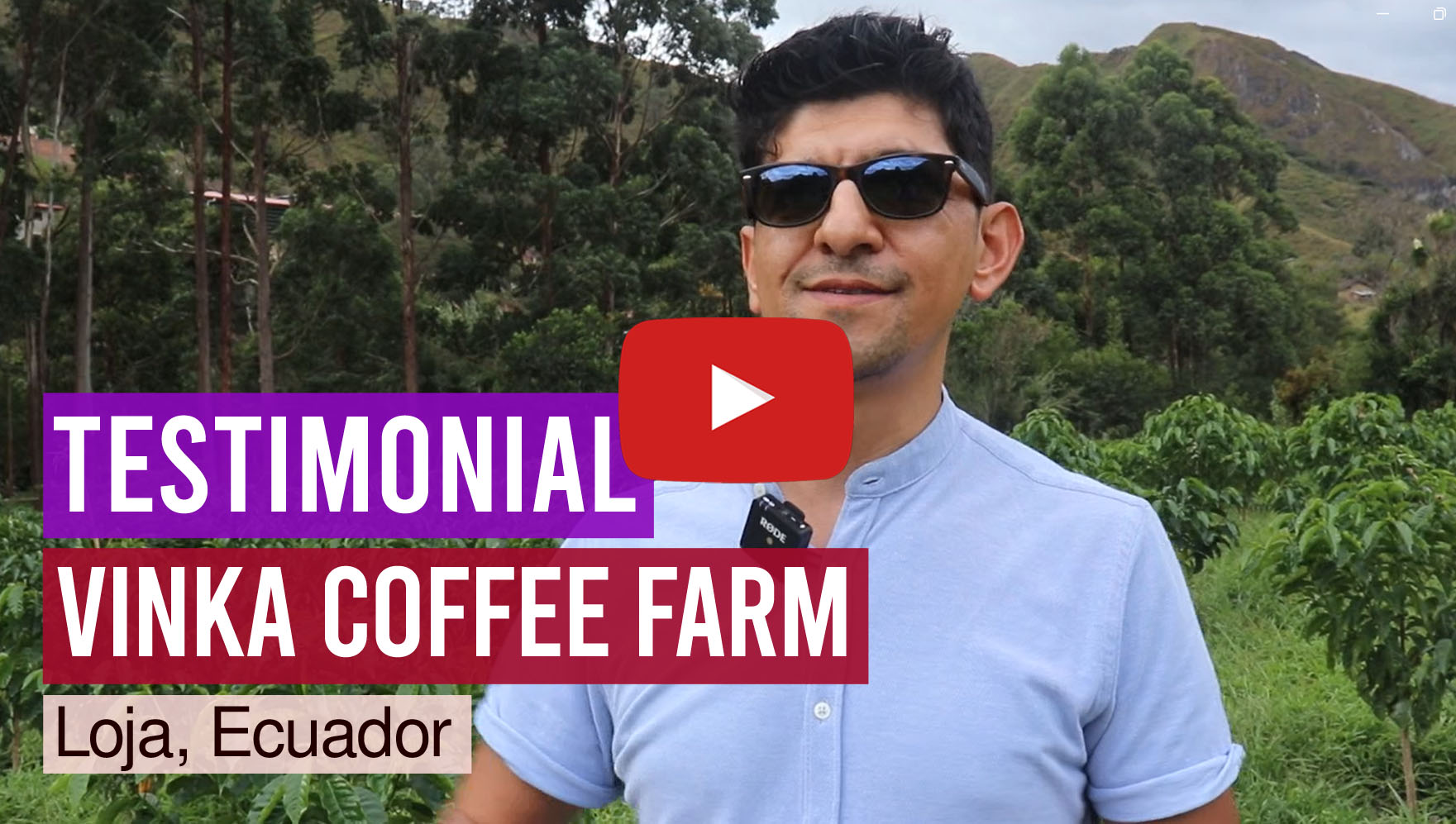
Here is Dr Carlos, a local coffee farmer and year one for this coffee farm!   Dr. Carlos Iñigues is a doctor of Ecohydrology and is the co-owner of Vinka coffee farm in Loja province, Ecuador. We provided soil tests, created a comprehensive soil report, and sold him our unique (microscope tested) microbe-rich compost and compost extracts.  

He rated 89% with the Coffee Association. 91% is considered World Class.

BTW..this was supposed to be a case study. However, when R Carlos saw the results, he stopped the case study to microbe his entire land.
The Living Ground Project provides land, farm and homeower Consultancy Services to revive soil and land.
Microbiology soil testing, microbe-produced compost, extracts and teas. Our upcoming education center that will impart knowledge about microbes and health.  Good soil/terrain is the foundation of all health. We have the knowledge and tools to help you regenerate & transform your land into a food forest, while increasing the nutrition and health of all plants and living organisms.