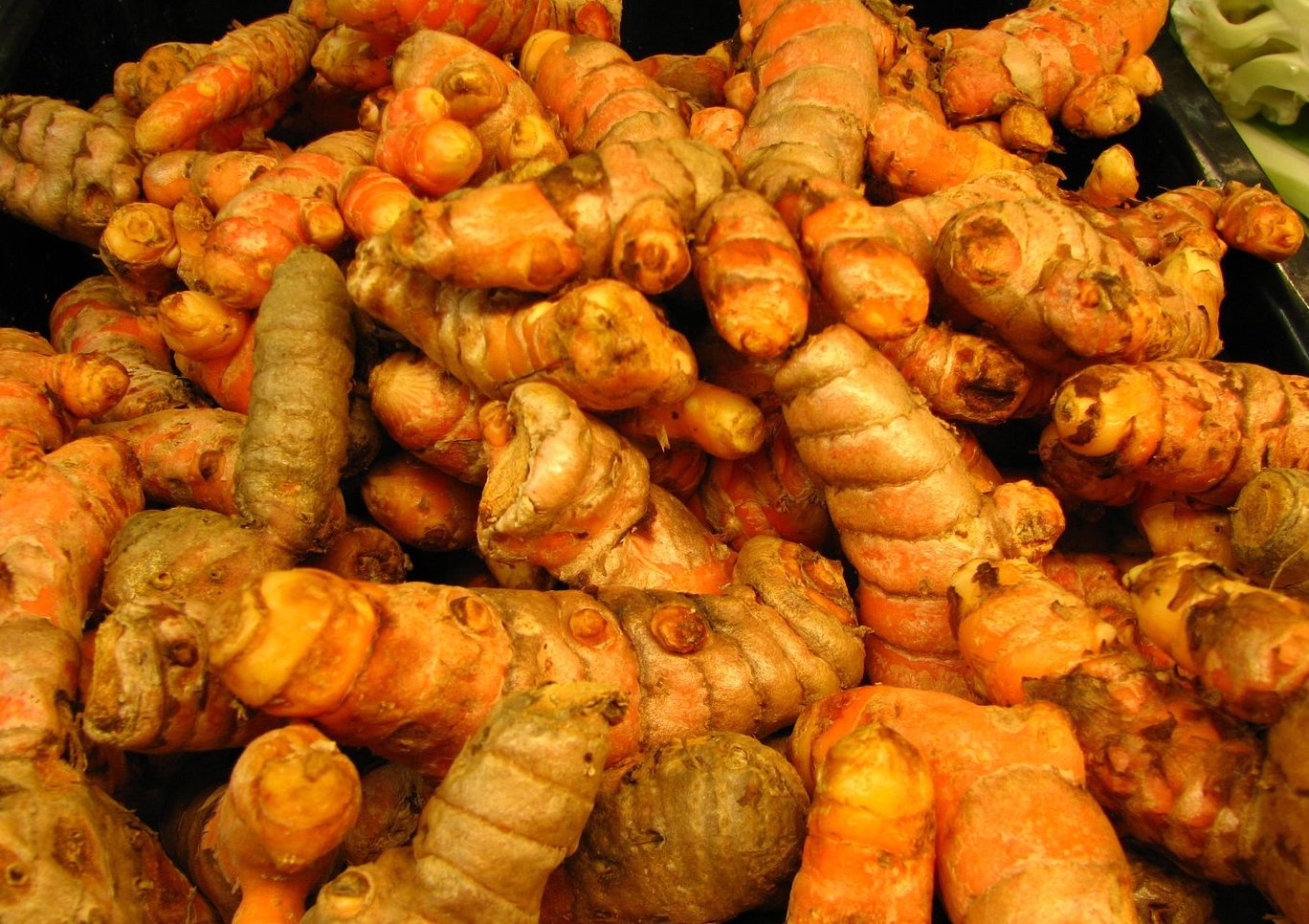
Boosting Curcumin Absorption: Piperine, Emulsifiers, and Gut-Friendly Options


We have all heard of taking turmeric (curcumin) with black pepper (piperine) to enhance the bioavailability and absorption of curcumin. Piperine, the bioactive compound found in black pepper, has been shown to significantly increase the absorption of curcumin by inhibiting metabolic enzymes that break it down and increasing intestinal permeability.

Curcumin is a highly effective anti-inflammatory agent valuable in managing inflammatory conditions like arthritis, inflammatory bowel diseases, and certain cancers by blocking inflammatory molecules like cytokines and enzymes like cyclooxygenase-2 (COX-2), a potent antioxidant capable of neutralizing free radicals and reducing oxidative stress, a major contributor to aging and chronic diseases like Alzheimer’s and Parkinson’s, where it may help protect against age-related conditions by scavenging free radicals and boosting the body’s antioxidant defenses, and exhibits anti-cancer properties by inhibiting tumor growth, metastasis, angiogenesis, and inducing apoptosis in cancer cells while leaving healthy cells unharmed, with numerous studies exploring its potential in preventing and treating various cancers, including breast, prostate, colon, and lung cancer.

Piperine is not an emulsifier. Piperine and emulsifiers are different types of compounds that enhance bioavailability through different mechanisms.  Emulsifiers are substances that help stabilize mixtures of two immiscible liquids, such as oil and water, by preventing them from separating into distinct layers. They work by surrounding oil droplets with a protective layer, increasing their surface area, and making it easier for digestive enzymes and bile salts to break them down, facilitating the absorption of fat-soluble nutrients or compounds.

Black pepper that enhances bioavailability primarily through two mechanisms:

  1. Inhibiting metabolic enzymes: Piperine inhibits certain enzymes like glucuronidation enzymes that are responsible for breaking down and eliminating compounds like curcumin from the body. By inhibiting these enzymes, piperine allows more of the compound to remain intact and available for absorption.
  2. Increasing intestinal permeability: Piperine has been shown to increase the permeability of the intestinal lining, allowing for better absorption of compounds like curcumin into the bloodstream.

However, if someone has a leaky gut or increased intestinal permeability, there are some important considerations regarding the use of piperine. While piperine can enhance nutrient absorption by increasing intestinal permeability, this mechanism may exacerbate an already compromised gut barrier in cases of leaky gut. With increased intestinal permeability, there is a higher risk of undigested food particles, toxins, and other antigenic substances entering the bloodstream, potentially triggering an immune response and inflammation. Furthermore, piperine may also facilitate the absorption of harmful substances, such as bacterial endotoxins or environmental toxins, which could further contribute to inflammation and gut dysbiosis.

IIn such cases, it may be advisable to avoid or limit the use of piperine until the gut barrier is repaired and intestinal permeability is improved. Instead, the focus should be on natural gut-healing strategies, such as eliminating inflammatory foods, consuming gut-supportive nutrients from sources like bone broth (which provides collagen peptides and glutamine), pumpkin seeds (zinc), sweet potatoes (vitamin A), and mushrooms (vitamin D), and incorporating  probiotic-rich foods like yogurt, kefir, and fermented vegetables.

Also, one can consider using alternative bioavailability enhancers that do not increase intestinal permeability, such as emulsifiers (lecithin from soy or sunflower), lipid carriers, or absorption-enhancing enzymes like bromelain from pineapples (core) and papain from papaya.  Consider making a powerful juice!

The goal should be to first restore a healthy gut barrier and reduce intestinal permeability through natural means, after which piperine may be reintroduced cautiously to improve nutrient absorption as part of a comprehensive terrain therapy approach.

Emulsifiers possess a unique molecular structure with both hydrophilic (water-loving) and lipophilic (fat-loving) regions, allowing them to interact with both water and oil molecules simultaneously. When introduced into a mixture of oil and water, emulsifiers form stable emulsions by surrounding the oil droplets with a protective layer, preventing them from coalescing and separating from the water phase. This emulsification process significantly increases the surface area of the oil droplets, making it easier for digestive enzymes, such as lipases and bile salts, to break them down and facilitate the absorption of the fat-soluble nutrients or compounds they contain. 

Emulsifiers serve as effective “medicinal transfer agents,” facilitating the absorption and delivery of beneficial compounds like curcumin into the body. Just as piperine enhances curcumin’s bioavailability, emulsifiers play a crucial role in improving the solubility and dispersibility of fat-soluble nutrients and lipophilic compounds in the digestive tract. By forming stable emulsions and increasing the surface area of oil droplets, emulsifiers promote better digestion and absorption of these beneficial substances. Lecithin, phospholipids, and liposomes are common emulsifiers used in supplements and functional foods for this purpose.

IInterestingly, cacao (cocoa) butter, the natural fat found in pure chocolate, possesses emulsifying properties due to its unique composition of fatty acids and phospholipids. This characteristic makes cacao a potential natural emulsifier that may enhance the absorption of fat-soluble nutrients and medicinal compounds when consumed alongside them. This is one reason why I like to incorporate medicinal herbs into pure cacao preparations, as the cacao butter can act as a natural emulsifier, potentially improving the bioavailability and delivery of the beneficial compounds found in those herbs.

Emulsifiers help our bodies absorb and use fat-soluble nutrients and compounds better. They do this in two main ways. First, emulsifiers can mix with bile salts, which are substances released by the liver into the small intestine to help digest and absorb fats and fat-soluble things. When emulsifiers and bile salts combine, they form tiny structures called mixed micelles. These mixed micelles can wrap around and carry fat-soluble nutrients and compounds, helping them move across the intestinal wall and enter the bloodstream more easily.

Secondly, some emulsifiers can interact with special transporters found on the cells lining the intestine. These transporters are like little doorways that allow nutrients and compounds to pass through the intestinal wall and into the bloodstream. By interacting with these transporters, emulsifiers can help fat-soluble substances that they have dissolved or encapsulated to be taken up and absorbed more efficiently. For example, emulsifiers like lecithin and phospholipids may interact with transporters that are responsible for absorbing fats, vitamins, and other fat-soluble things, potentially increasing their absorption.

In simple terms, emulsifiers not only help dissolve and disperse fat-soluble nutrients and compounds in the digestive system but also actively assist in their journey across the intestinal barrier. This happens through the formation of mixed micelles that act as carriers and by interacting with special transporters on intestinal cells, ultimately leading to better absorption and use of these beneficial fat-soluble substances in the body.

Common emulsifiers used for enhancing bioavailability include lecithin (derived from soy or sunflower), phospholipids (such as phosphatidylcholine and phosphatidylserine), and liposomes (spherical vesicles made of phospholipids). These emulsifiers can be found in supplements, functional foods, and pharmaceutical formulations designed to improve the solubility, dispersibility, and ultimately, the absorption and bioavailability of fat-soluble nutrients and lipophilic compounds like curcumin.

While focusing on gut-healing strategies like eliminating inflammatory foods, consuming gut-supportive nutrients from natural sources like bone broth (glutamine), pumpkin seeds (zinc), sweet potatoes (vitamin A), and mushrooms (vitamin D), and incorporating natural supplements like l-glutamine, collagen peptides, and probiotic-rich foods like yogurt, kefir, and fermented vegetables, you can incorporate emulsifiers to enhance curcumin’s bioavailability. The goal should be to first restore a healthy gut barrier and reduce intestinal permeability through natural means, after which piperine may be reintroduced cautiously to improve nutrient absorption as part of a comprehensive terrain therapy approach.

Turmeric-Cacao Anti-Inflammatory (emulsifier) Chocolate

Ingredients

– 1/2 cup cacao butter or cocoa butter
– 1/4 cup cacao paste (or 100% unsweetened chocolate)
– 2 tablespoons ground turmeric
– 2 tablespoons MCT coconut oil (acts as an emulsifier)
– 2 tablespoons raw honey
– 1 teaspoon ground ginger
– 1/2 teaspoon ground cinnamon
– 1/4 teaspoon cayenne pepper (or more to taste)
– 1/4 teaspoon sea salt
– 1 tablespoon hemp seeds (optional)

Instructions

  1. In a double boiler or heat-safe bowl set over a pot of simmering water, gently melt the cacao/cocoa butter and MCT coconut oil, stirring occasionally until completely liquid.
  2. Remove from heat and whisk in the cacao paste, turmeric, honey, ginger, cinnamon, cayenne pepper, and sea salt until well combined and smooth.
  3. If using, stir in the hemp seeds.
  4. Pour the mixture into silicone molds or onto a parchment-lined baking sheet and spread it out evenly.
  5. Refrigerate for at least 2 hours or until completely set.
  6. Once set, pop the chocolate out of the molds or break it into pieces if poured onto a sheet.
  7. Store in an airtight container in the refrigerator for up to 2 weeks.

This anti-inflammatory, gut-healing chocolate features several powerful ingredients. The cacao butter and MCT coconut oil act as natural emulsifiers, potentially enhancing the absorption of the anti-inflammatory turmeric. Ginger and cinnamon provide additional anti-inflammatory benefits, while cayenne pepper offers a subtle kick of heat and may also have anti-inflammatory properties. Hemp seeds (optional) add a nutty flavor and a boost of plant-based protein and healthy fats.

Rediscover the Wisdom of Our Ancestors – Get Your Free E-Book


Rediscover holistic self-care with your free “Health at Home” ebook – subscribe today!

In a world of mass-produced products and quick pharmaceutical fixes, we’ve strayed far from the natural remedies and holistic practices that sustained our ancestors for generations. But that ancient knowledge is waiting to be rediscovered…

Introducing “Health at Home” – a digital treasure trove containing timeless wisdom on natural and herbal living. Subscribe today and you’ll receive this invaluable e-book absolutely free!

Within the pages of “Health at Home,” you’ll unlock traditional folk recipes for homemade salves, tinctures, and tonics using herbs and botanicals from your garden. Discover tried-and-true natural remedies to address common ailments the old-fashioned way. Indulge in luxurious beauty and personal care concoctions made from pure, simple ingredients. Learn green cleaning hacks utilizing affordable household items as powerful cleansers. And unearth the lost art of “home alchemy” to transform plants into powerful healers.

Don’t let these venerable traditions fade into obscurity. Reclaim the natural living wisdom of our ancestors by claiming your free copy of “Health at Home” today. This ancient knowledge is a treasure worth preserving for modern times.

Subscribe now and this invaluable guide to natural living wisdom will be yours for free.

Don’t let these venerable traditions fade into obscurity. Reclaim the natural living wisdom of our ancestors by claiming your free copy of “Health at Home” today. This ancient knowledge is a treasure worth preserving for modern times.

You’ll also be subscribed to our natural living newsletter full of gardening tips, herbal lore, sustainable living advice, and more. You can unsubscribe anytime.


Subscribe


Health At Home

In the modern age of mass manufacturing and lab-created cures, we’ve lost touch with the natural remedies that kept our ancestors healthy and resilient. “Health at Home” is a guided journey back to the timeless wisdom of plant power and holistic living. This e-book is a lovingly curated collection of traditional folk practices that enabled past generations to thrive using nature’s abundant gifts.

With “Health at Home” as your guide, you’ll learn the old ways of crafting natural salves, tinctures, and tonics from herbs and botanicals growing in your garden. Rediscover trusted remedies for common ailments that relied on simple, accessible ingredients rather than synthetic treatments. Indulge in luxurious homemade beauty products and personal care items made from pure, sustainable elements. This book will initiate you into the lost art of “home alchemy” – the practice of harnessing nature’s curative powers.

More than just a collection of recipes, “Health at Home” is a reminder of the profound knowledge possessed by our ancestors regarding self-care and natural living. It’s a chance to reconnect with the earth’s apothecary and embark on a pathway of holistic healing. With this ebook, you’ll begin to rekindle the self-reliant wisdom that enabled past generations to live in harmony with the rhythms of the natural world.


whats inside?


Subscribe


What is Live Blood Analysis?


The Revealing Truth: Doctor’s Blood Tests vs Live Blood Analysis

When it comes to understanding our health, the blood holds many secrets. While we’re all familiar with getting blood tests from the doctor, there’s another type of analysis that provides a unique glimpse into the microscopic world within us – live blood analysis.

What’s the difference? A doctor’s blood test is focused on diagnosing disease. The blood sample is treated with anticoagulants like heparin or EDTA to prevent clotting. It may also be spun in a centrifuge to separate components like plasma, red cells, and platelets. The treated sample is then analyzed in lab machines that measure and count the various components like red and white blood cells, hemoglobin levels, cholesterol, blood sugar, and tumor markers.

The results are compared against standard “normal” reference ranges that are based on statistical data across populations. If your numbers fall outside of these ranges, it could indicate an underlying condition like anemia, infection, cancer, or other diseases that require further diagnostic testing.

Live blood analysis (LBA), on the other hand, takes a preventative, whole-body approach. During an LBA, a tiny drop of your live capillary blood is collected from a finger prick – nothing is added or removed. The fresh sample is immediately observed under a specialized darkfield microscope that uses oblique lighting to make the cells stand out against a dark background.

With the sample magnified over 1000 times, a trained LBA analyst can observe the actual structure, movement, and behavior of your live blood cells up close. They look for any abnormalities in the quality of the red blood cells, evidence of undesirable forms like rolled up or clumped cells, or the presence of substances that shouldn’t be there like candida, crystals, or proteins.

This analysis provides insights into inflammatory processes, pH imbalances, oxygen utilization, free radical damage, liver and digestive function, and the state of your biological terrain. Essentially, it reflects how well your cells are functioning based on your lifestyle, diet, hydration, emotional state, and environmental exposures – often before disease has a chance to take hold.

The live blood analysis experience itself is fascinating and empowering. As you watch your own blood cells traverse the microscope’s field of view, you’ll likely be amazed by the resilience and dynamism of these microscopic life forces. Yet you’ll also bear witness to the impacts of your habits and choices – perhaps excessive clumping from inflammation, or sluggish cell movement from dehydration.

For me, having a microscope at home has been transformative for my health journey and that of my loved ones. We can monitor our blood regularly, making adjustments to our routines and tracking the cellular improvements over time. There’s nothing quite like seeing your hard work pay off in the form of vibrant, healthy cells with a strong life force.

If you’ve ever felt your body sending you signals that something is amiss despite receiving “normal” results from standard lab tests, live blood analysis could be a game-changer. It bridges the gap between how you feel and what lab reports say, empowering you to take control of your well-being from the inside out before bigger issues develop.


Except from the Kitchen Alchemy course manual to be launched very soon…..

It is the intention of this book, “Kitchen Alchemy”, to transport you into a vibrant garden, where the boundaries between nature and cuisine blur. This creative space becomes an extension of the earth, where you can cultivate new flavors, experiment with innovative techniques, and bring forth a bounty of delectable recipes. As you explore the fascinating world of microbe gardens, you’ll discover the secrets to cultivating vibrant, healthy foods that are not only delicious but also teeming with life. By exploring the intricate relationships between soil microbes and plant growth, you’ll learn how to unlock the hidden nutrients that nourish your body and the earth, and unlock the magic of your own kitchen.

Whether you’re a novice cook or just looking to shake up your culinary routine, this book is designed to help you build confidence and skills through simple, accessible steps. From sautéing greens with garlic to crafting your own condiments using fresh herbs and vinegars, we’ll take you on a journey of discovery and experimentation that will leave you feeling empowered and inspired.

Don’t be afraid to stumble a bit at first as you find your grooves.  When mistakes are made, learn for next time. Never worked with fenugreek seeds before? Keep exploring new ingredients! Just have fun with the process and don’t get discouraged. Even browning a bunch of once fresh basil still makes for a tasty batch of pesto.

We will be getting into fermenting your herbs, plants and food into probiotic packed sauerkrauts and kimchis for microbial richness. Or start baking with nutrient dense ancient grain flours while sneaking extra antiinflammatory turmeric and black pepper into the batter.

The key is to embrace your kitchen as a living laboratory for nurturing your body’s healthiest potential through joyful culinary creativity using the garden’s gifts. It’s about getting back in touch with REAL food straight from the source. No crazy skills required, just a willingness to learn and get your hands “soiled” a bit.

Start small, snip some herbs, and have fun seeing what vibrant magic you can craft from your very own healthy kitchen garden hub! Your body’s going to thank you for it.

Kitchen Alchemy


Unlock the ancient wisdom of culinary traditions and the powerful alchemy of food for cultivating vibrant health. This course takes you on a transformative journey through the art of nourishing your inner terrain, exploring nutrient-dense ingredients, fermentation practices, and time-honored preservation techniques that harmonize the human microbiome. Discover a treasure trove of delectable recipes, fermented delicacies, and probiotic-rich cultures that not only delight the senses but also nourish your body’s vital ecosystems from within.


At Living Ground, we create biologically active microbe compost using the principles and teachings of Dr. Elaine Ingham and the Soil Food Web. Unlike conventional compost that focuses mainly on the breakdown of organic matter, microbe compost is intentionally developed to cultivate the living communities of bacteria, fungi, protozoa, nematodes, and other beneficial soil organisms that form the foundation of healthy ecosystems. These microbes help cycle nutrients, build soil structure, retain water, protect plants, and create the living relationships that support resilient growth.

We apply these living microbial systems throughout our land using compost teas, microbial extracts, fungal inoculations, mulches, and biologically rich soil amendments designed to restore life back into the soil. These methods are used in our gardens, food systems, medicinal plant areas, and restoration projects across Living Ground.

We also create custom microbial compost systems and biologically active amendments for clients, while offering consultations, workshops, and hands-on education for those wanting to learn how to build living soils themselves.

Below are some of Leisha’s blog writings exploring compost, soil microbiology, fungal systems, living amendments, and the Soil Food Web.

[feedzy-rss feeds=”https://www.livinground.org/category/microbe-compost/feed/” max=”12″ feed_title=”no” meta=”yes” summary=”yes” thumb=”yes”]