September 1, 2023,  marks the one year anniversary for tThe Living Ground Project.   One year ago today, we took over our first microbe compost site.    What a year it has been!

A year ago,  were expecting the gifts….a  Mighty Mike Compost Maker and Slow Speed Tracker …to arrive.  It was an amazing and exciting donation to Living Ground from a USA foundation that beleived in our work.    We acquired a site and began preparing it for for mass producing Microbes.     

The equipment never arrived.   The COVID restrictions and transportation mess made it impossible.    Disappointing!  Subsequently, these machines were donated to Dr Elaine’s (our teacher) in Oregon.  Needless to say, we had no choice than to learn how to mass produce microbes by hand.   And, we perfected the process.   I beleive we are the first SFW students to successfully mass produce Microbe Compost.

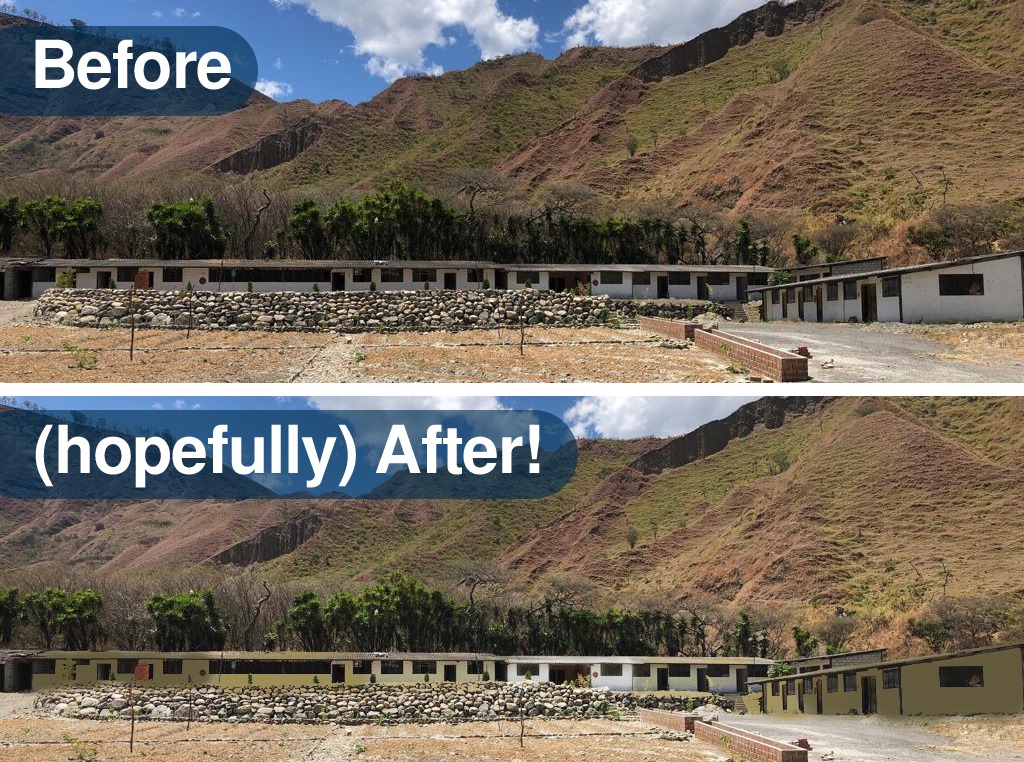
Then we considered another local site for operations that was around the corner from our operations.  While it was amazing, it was too expensive!  It was an old delapitated building that was home (dormintory) to highway workers.  The grounds were contaminated.   “Imposssible”, we thought! And, perhaps too big for us?    March of 2023, against all odds and much risk taking, we acquired the site literally saving the land from a gas company.  Now what!  The dream grew tremendously and the work too!

A lot has happened in this last year….really it is a full books worth of changes and experiences:   We’ve gained, lost, challenged, overcome and tried to do our best.   

Highlights:

  1. We’ve had successes (like acquiring the Project Site) and disappointments (facing the challenges of human transformations and staying true to our values and morals).   
  2. We’ve charged ahead with gusto making things happen despite having little means.   We acquired the Project Site.  
  3. We’ve opened our Microbe/Health Air bnb.  This is the beginning of the tourism aspect of the Project.
  4. We’ve showcase our value added microbe grown products in our community.   
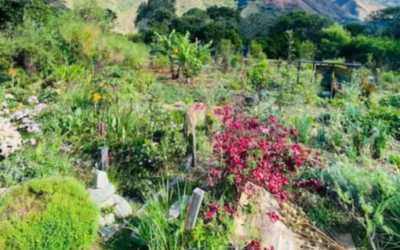
  5. We are creating the landscape foundations at the Project Site creating the 2nd market garden and Secret garden. 
  6. We are consulting and transforming lands.
  7. We are creating our educational platforms (online and onsite)  
  8. We are moving forward!    Our fireside chat video (here) explains how we are “doing” all we said we would do!   

Yes, as you can imagine, there is a lot going on is the background.   It is organized chaos! 

As Mama Microbe, I am proud of the team and the supporters (volunteers) who are helping make this happen.   It isn’t easy but each one of us is growing, learning and discovering.   

The Project (whether applied to the physcial or the personal) is rooted in the belief that even the tiniest of beings can create ripples of change.    This statement is one I repeat over and over as a mantra to remind myself that this initiative stands as a testament to the power of human determination, creativity, and purpose.   What can we accomplish when we come together?    Our project is also rooted in the concept of symbiosis (which embraces tension) and we practice respect and honor for the earth and each other.   We often we find ourselves giving more than we recieve.   In today’s world of consciousness, this is going against the grain (or the swing of self-obsession).   It is important!

Personally, I see this project as a canvas of hope, collaboration, and transformation. It’s not just a project; it’s an embodiment of the “little good guy” humans working hand in hand with the “little good guys” of nature – the microbes that lay the foundation for all life.   Although the trend is moving towards understanding microbes (in the human and soil), we have in the palm of our hands a unique mission: to nurture the Earth, empower communities, and foster a new understanding of life itself and mimic the microbes symbiosis.   It is beautiful!

Recently, I had the privilege of witnessing another project, quite similar in purpose.   I was inspired and amazed at this Project and intrigue with how we could cooperate.   We are on a similar path with one key difference – the availability of financial resources.  Honestly, it would be easy to feel deflated or frustrated as the Living Ground Project struggles to bootstrap its way forward, working tirelessly with limited financial means. Yet, within this challenge lies a profound opportunity.   I use my mantra to give me hope!    

I realize that there is a book forming from the stories and experiences we are all having at Living Ground.   The ups and downs, the challenges and discernments are creating a symbiotic tale of what can happen is the little guys come together.   I’ve found myself being too trusting in many situations so that the “team” intervenes to put me back in line.   I’ve been blamed and accused of things that I don’t own.  It is quite a story and one that will be shared one day!  

And, the Living Ground Project isn’t just about the end result; it’s about the journey. It’s about proving that dedication, passion, and resilience can transcend personal and economic barriers. It’s a bold assertion that the “little guys” – whether they’re the microbes in the soil or the humans with dreams – can bring about real change, regardless of the odds stacked against them.

Yes, our financial resources are scarce.  But we are doing it!    The Living Ground Project is rich in heart, spirit, and ingenuity. The Soil Squad team pours their soul into each endeavor, raising the project brick by brick, hand by hand, project by project. Every step is a triumph over adversity, an embodiment of the spirit that refuses to be confined by limitations.

Creativity takes center stage as the project navigates the challenge of acquiring materials while ensuring fair compensation (now and in the future). It’s a dance of innovation and determination, a story of crafting something magical.

And, my intention is real!    My aim is to raise this Project until the leaders are confident and secure.   When this time comes, I will gift it into the hands of good people to continue with the legacy and mission.   I have even thought about moving back to a new Magical Forest.  For those who don’t know me, the Magical Forest was my created home when I arrived in Ecuador where I lived without walls, in a tree house and as self sufficent as I could.   I will return to this space and create my nature living once again.  Perhaps I become the crazy lady in the bush who can mentor the Team from afar?

So I am sharing a little of the “Behind the Scenes”.    We are doing the work with purpose.    We are spreading the microbes.    It is happening.   And as we charge ahead with our mission, the microbes silently work their magic in the soil.  Our greatest ally is these “good little guys”.   Together, we weave a narrative of growth, connection, and transformation.

We don’t have much, but the Living Ground Project isn’t just about resources; it’s about redefining success. It’s about proving that the impact of an initiative isn’t solely measured in economics. It’s about leaving an indelible mark on hearts and landscapes, about fostering a community that understands the language of the Earth and the unity of life.

This is about realizing the truth about who we are!   We are more than just humans. We are mostly microbes. Trillions of these microscopic allies reside within our very beings, shaping our existence.  Just as every note in a symphony contributes to the grand melody, every microbe within us harmonizes with the greater whole. These tiny creatures are the unseen architects of vitality, creating ecosystems of unparalleled complexity. Their currencies are nutrients, energy flows, and the exchange of information that shapes the very fabric of life.

In a world often driven by economic systems, the microcosm within us and around us serves as a living testament to a different way of thriving. It’s a profound reminder that the sustenance of life need not be tethered to monetary transactions. Rather, it relies on the elegant dance of ecosystems, the generosity of nature, and the sacred balance that honors the interconnectedness of all beings.

So, as the Living Ground Project marches forward, remember that every step is a triumph over adversity. Every brick laid, every hand extended, every project undertaken is a testament to the unwavering spirit that knows no boundaries. It’s a beacon of hope for all “little good guys,” showing that with heart, determination, and a touch of magic, they can transform the world.

The Living Ground Project is not just a project – it’s a legacy in the making, a living testament to the potential of the “little guys” who dare to dream big.

To Nic, Tamar, Ian and Jimini, I love you dearly!   You are all such adorable misfits.   I ask for your forgiveness in where I fail and your patience as I, too, grow and learn.   One year….one year…and so much has happened.    I adore you!


Now for a photo story of the past year1
I commit and dedicate myself to this work…. it is needed and important for you and those that come behind us!   This is for Kaya!


Most realize that Compost is a mixture of organic materials that have been decomposed by microorganisms. It is a valuable soil amendment that can improve the fertility, structure, and water retention of soil.  Most do not realize the difference between organic compost, obone (manure) and Microbe Compost.  Here we explain the difference and why Microbe Compost is so important….

Microbe compost is made using a science process that encourages the growth of beneficial microorganisms.   Our aim is to remove all pathogens and enhance the environment for the benficial organisms.   We liken this to a probiotic!    Just like in the human microbiome, these microorganisms help to break down organic matter more quickly and efficiently than in regular organic compost.    We often say we are not making compost we are farming microbes.   And, we get to determine how our compost is with the microscope.   This is an important tool of our work.

Regular organic compost is made using a more traditional method that does not specifically target the growth of beneficial microorganisms. This type of compost can still be beneficial for plants, but it may not be as effective as microbe compost.   Also, it takes much longer and in the process may be home to many bad guy microbes.

Obono is pure manure and does contain pathogens most of the time.  Manure also is like the chemical fertilizers as it forces plant growth with Nitrogen.    A big beautiful plant may appear that is air, water and nitrogen and little else.

Here are four key differences between microbe compost and regular organic compost:

  1. Microbe compost is like a probiotic. Probiotics are live microorganisms that are beneficial for the gut. 
  2. Microbe compost is more potent. Because microbe compost is made using a process that encourages the growth of beneficial microorganisms, it contains higher levels of these microorganisms than regular organic compost. This means that microbe compost can have a more immediate and noticeable impact on the health of plants and soil.
  3. Microbe compost is more versatile. Microbe compost can be used for a wider variety of purposes than regular organic compost. It can be used to improve the fertility, structure, and water retention of soil, as well as to suppress plant diseases and pests. Regular organic compost is typically used for improving the fertility and structure of soil.
  4. Microbe compost is more sustainable.  It is mimicking Nature.  It is ensuring life “pro-biotic” literally means “pro life”

Organic Matter OM

In addition to microbe compost and regular organic compost, we also offer specialized Organic Matter.  Our OM is like a Prebiotic.  It feeds the microbes.

Living Grounds OM is a blend of woody materials that is aged and sprayed with microbe extract.   Most wood chips contain “anit-fungals” so the aging process is very imporatant.    Our OMis similar to microbe compost in that it contains beneficial microorganisms, but it is less potent. Organic matter is a good option for improving the structure and water retention of soil, but it is not as effective as microbe compost for improving the fertility of soil.

Which type of compost is right for you?

The best type of compost for you will depend on your specific needs and goals. If you are looking for a compost that is effective, versatile, and sustainable, then microbe compost is a best option. If you are looking for a compost that is less expensive and easier to make, then regular Organic Matter is a good option. And if you are looking for a compost that can help to improve the structure and water retention of soil, then both Microbe Compost and OM is a good option.

It is important to note that organic compost is not always safe. The process of making compost is not always monitored closely, so there is a chance that pathogens could exist in the compost and quite often do.    These pathogens can be harmful to plants and humans. It is important to test compost for pathogens before using it.  Here is where the benefit of our microscope come in.

Another thing to keep in mind is that organic compost can force growth. This means that the plants may grow quickly, but they may not be as healthy as plants that are grown with a more natural approach. The plants may also be more susceptible to pests and diseases.

In a way, organic matter is like the food that we eat, while microbe compost is like the probiotics that we take. Both are important for our health, but they work in different ways. Organic matter provides the nutrients that our bodies need, while probiotics help to keep our gut healthy and functioning properly.

In the same way, organic matter provides the nutrients that plants need, while microbe compost helps to keep the soil healthy and functioning properly. Healthy soil is essential for healthy plants, just as a healthy gut is essential for a healthy human.

If you are looking for a way to improve the health of your soil and plants, then microbe compost is for you.   Remember, we are actively consulting with land owners to regenerate lands, soils and homesteads.   We work within the budget and goals of our clients to bring life back to the soil.   Contact us for more information!   

At Living Ground, our mission extends far beyond saving soils – it’s about fostering a holistic connection that benefits plants, microbes, and humanity itself. While nature’s challenges persist, we approach them with a different perspective – one of harmony and mimicry, rather than conflict.

Today, we’re excited to invite you into our world through an informative video courtesy of the Soil Food Web (SFW) school. This captivating footage takes you on a journey through the heart of the Soil Food Web approach in Peru, offering a glimpse into the wonders that unfold when we align with nature’s wisdom.

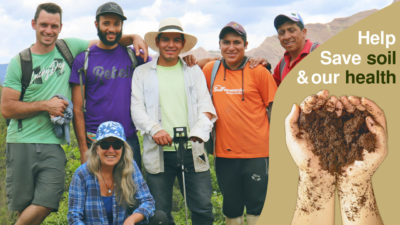
Leisha is a  Soil Food Web Consultant and Nic is currently on his path toward certification within the same renowned program.

As we embark on this shared journey, we invite you to join us in championing a more harmonious and sustainable world. Come witness the magic of nature’s equilibrium, and be part of the Living Ground movement.

Before you delve into this transformative video, remember to subscribe to our blog and stay updated with our latest explorations, insights, and progress. Your presence and engagement mean the world to us.

And now, without further ado, let’s embark on this enlightening adventure by exploring the Soil Food Web approach through our exclusive video presentation.

This is an exciting chat with Darren (Fire Side Chat) and the Soil Squad where share the latest update on Phase II of the Living Ground Project. We discuss the current developments, including our newly launched healing and education Guest House which is the beginnings of the Health and Microbe Tourism POD. Our conversation delves into the significance of food sovereignty and the critical role of microbe-rich compost in restoring the health of our soil.   Consider supporting our noble mission….and s a token of our gratitude, we are pleased to offer a credit system to donors, providing them with future opportunities for exchange and involvement if they would like to visit the Guest House of the Project Site in the future!


Let’s discuss the similarities between gluten sensitivity and glyphosate toxicity. I believe that many  who think they are gluten sensitive may actually be glyphosate toxic.   

Glyphosate was discovered in 1950 by a Swiss chemist named Henry Martin. It was originally developed as a chelating agent, but later found to be an effective herbicide. Glyphosate is the active ingredient in Roundup, a widely used herbicide that is sprayed on crops to kill weeds. It is also used in other products, such as herbicides for lawns and gardens, and in animal feed.

Glyphosate works by inhibiting an enzyme called EPSPS, which is essential for the production of aromatic amino acids in plants. This causes the plant to die. Glyphosate is a non-selective herbicide, which means that it kills both weeds and crops. However, it is more effective at killing weeds than crops. EPSPS is an enzyme that is involved in the shikimate pathway. It is responsible for the conversion of shikimate-3-phosphate to 5-enolpyruvylshikimate-3-phosphate.  The shikimate pathway is a metabolic pathway that is used by plants, bacteria, and fungi to synthesize aromatic amino acids.

The shikimate pathway is essential for the production of aromatic amino acids, which are used to synthesize proteins, vitamins, and other essential compounds. Glyphosate inhibits EPSPS, which blocks the shikimate pathway and prevents the production of aromatic amino acids. This is what kills plants that are exposed to glyphosate.

A little side note here…..It is interesting that Glyphosate and SARS-CoV-2 both affect the shikimate pathway, although in different ways. Glyphosate inhibits EPSPS, which blocks the shikimate pathway and prevents the plant from producing aromatic amino acids. SARS-CoV-2 hijacks the host cell’s shikimate pathway and uses it to produce the aromatic amino acids that it needs to replicate.   

Here are similarities between glyphosate and SARS-CoV-2:

  • Both can affect the shikimate pathway.
  • Both can be harmful to living organisms.
  • Both can be found in the environment.

Glyphosate is a controversial herbicide. Some people believe that it is safe, while others believe that it is a dangerous chemical that can cause cancer and other health problems. The Environmental Protection Agency (EPA) has classified glyphosate as a likely not carcinogenic to humans, but the International Agency for Research on Cancer (IARC) has classified it as a probable carcinogen.

The use of glyphosate is increasing worldwide. In the United States, it is the most widely used herbicide. The use of glyphosate has been linked to the decline of certain beneficial insects, such as bees and butterflies. It has also been linked to the development of herbicide-resistant weeds.

Is glyphosate a toxin and danger?

  • The World Health Organization (WHO) has classified glyphosate as a probable carcinogen. This means that there is enough evidence to suggest that glyphosate can cause cancer in humans.
  • The International Agency for Research on Cancer (IARC), which is part of the WHO, has also classified glyphosate as a probable carcinogen.
  • The European Union has classified glyphosate as a likely carcinogen. This means that there is limited evidence to suggest that glyphosate can cause cancer in humans.
  • The United States Environmental Protection Agency (EPA) has classified glyphosate as a likely not carcinogenic to humans. However, the EPA’s decision has been criticized by many scientists, who believe that the EPA’s assessment is flawed.

The debate over the safety of glyphosate is ongoing but I think that anyone with any common sense knows it is a dangerous toxin. The weight of evidence suggests that glyphosate is a toxin that can pose a risk to human health.

There’s evidence that glyphosate harms human health in a few ways, including:

  • Cancer: The International Agency for Research on Cancer (IARC) has classified glyphosate as a probable carcinogen, meaning that it is likely to cause cancer. The IARC’s classification is based on a review of several studies that have found an association between glyphosate exposure and cancer, including non-Hodgkin lymphoma, leukemia, and multiple myeloma. However, the EPA has classified glyphosate as a likely not carcinogenic to humans. The EPA’s classification is based on a review of different studies, including some that have not found an association between glyphosate exposure and cancer. More research is needed to determine the true cancer risk of glyphosate exposure.

    Neurotoxicity: Some studies have shown that glyphosate may be neurotoxic, meaning that it can damage the nervous system. For example, a study published in the journal Neurotoxicology in 2019 found that glyphosate exposure can damage the brains of rats. However, other studies have found no evidence of neurotoxicity. More research is needed to clarify the potential neurotoxicity of glyphosate exposure.

    Endocrine disruption: Glyphosate may disrupt the endocrine system, which is responsible for regulating hormones. This could lead to a variety of health problems, such as reproductive problems and thyroid disorders. For example, a study published in the journal Environmental Health Perspectives in 2013 found that glyphosate exposure can disrupt the production of testosterone in rats. However, other studies have not found an association between glyphosate exposure and endocrine disruption. More research is needed to determine the true risks of endocrine disruption from glyphosate exposure.

    Reproductive problems: Glyphosate may cause reproductive problems, such as decreased sperm count and fertility problems. For example, a study published in the journal Reproductive Toxicology in 2018 found that glyphosate exposure can decrease sperm count in rats. However, other studies have not found an association between glyphosate exposure and reproductive problems. More research is needed to determine the true risks of reproductive problems from glyphosate exposure.

    Gut health: Glyphosate may disrupt the gut microbiome, which is the community of bacteria that live in the gut. This could lead to a variety of health problems, such as digestive problems and autoimmune diseases. For example, a study published in the journal Nature Microbiology in 2020 found that glyphosate exposure can disrupt the gut microbiome in mice. However, other studies have not found an association between glyphosate exposure and gut health problems. More research is needed to determine the true risks of gut health problems from glyphosate exposure.

There is growing evidence that glyphosate can damage the proteins in gluten, making it less digestible. This can cause symptoms in people who are sensitive to gluten.   The symptoms of gluten sensitivity and glyphosate toxicity can be very similar. They can include:

  • Bloating
  • Gas
  • Diarrhea
  • Constipation
  • Fatigue
  • Headaches
  • Joint pain
  • Skin rashes
  • Anxiety
  • Depression

It can be difficult to tell the difference between gluten sensitivity and glyphosate toxicity, especially if you have been exposed to both. However, there are a few things that you can do to help you determine the cause of your symptoms.

  • Get tested for gluten sensitivity. There is a blood test that can be used to diagnose gluten sensitivity.
  • Avoid gluten for a period of time and see if your symptoms improve. If your symptoms improve when you avoid gluten, then you are likely gluten sensitive.

There are a few things that you can do to naturally cleanse your body of this toxin.

  • Eat a healthy diet. A healthy diet that is rich in fruits, vegetables, and whole grains will help to detoxify your body and improve your overall health. These foods are high in antioxidants and help the microbiome which can help to remove toxins from the body.
  • Drink filtered water. Glyphosate can be found in tap water, so it is important to drink filtered water whenever possible.
  • Supplements. There are a number of supplements that can help to detoxify your body from glyphosate, such as activated charcoal, chlorella, and spirulina. Activated charcoal is a natural substance that can bind to toxins and help to remove them from the body. Chlorella and spirulina are types of algae that are high in antioxidants and other nutrients that can help to support the body’s natural detoxification processes.
  • Use herbs. There are a number of herbs that can help to detoxify your body from glyphosate, such as dandelion root, burdock root, and milk thistle. Dandelion root is a natural diuretic that can help to flush toxins out of the body. Burdock root is a liver tonic that can help to support the body’s natural detoxification processes. Milk thistle is a liver protectant that can help to repair damage caused by toxins.  These herbs are all in our Liver Love The Blood Tincture.

Other ways to reduce exposure to glyphosate

  • Buy organic foods whenever possible. Organic crops are not sprayed with glyphosate.   Even better, buy microbe grown plants.
  • If you do not know where you produce is coming from, wash your fruits and vegetables thoroughly before eating them. This will help to remove any residual glyphosate that may be on the surface of the food.
  • Avoid processed foods. Processed foods are often high in glyphosate.
  • Avoid drinking tap water. Glyphosate can be found in tap water, so it is important to drink filtered water whenever possible.
  • Avoid using herbicides and pesticides around your home.Gluten is a protein found in wheat, barley, and rye. It is what gives these grains their chewy texture. Glyphosate is the active ingredient in Roundup, a herbicide that is widely used to kill weeds. It is a systemic herbicide, which means that it is absorbed by the plant and moves throughout its tissues.

Microbe extracts are more environmentally friendly, less harmful to humans, and can be more effective than glyphosate.  Microbe extracts are not known to be harmful. Some studies have shown that microbe extracts can be as effective as glyphosate at killing weeds, and they can also help to improve the health of the soil.

Here are some of the specific reasons why microbe extracts may be better than glyphosate:

  • Microbe extracts are more environmentally friendly: Glyphosate is a broad-spectrum herbicide, which means that it kills both weeds and crops. This can have a negative impact on the environment, as it can kill beneficial organisms as well as harmful ones. Microbe extracts, on the other hand, are more targeted and are less likely to harm the environment.
  • Microbe extracts are less harmful to humans: There is some evidence that glyphosate may be harmful to human health, as it has been linked to cancer, neurotoxicity, endocrine disruption, reproductive problems, and gut health problems. Microbe extracts, on the other hand, are not known to be harmful to humans.
  • Microbe extracts can be more effective than glyphosate: Microbe extracts can be as effective as glyphosate at killing weeds. In addition, microbe extracts can help to improve the health of the soil, which can lead to healthier plants.


Recently, I embarked on a journey to the Ecuadorian seaside.  The purpose was to write.  Living Ground is creating our education platform to share our knowledge and self-reliance, health and microbes.  We are creating courses on Microbe Compost, Growing Food and Medicine, Layperson’s Guide to Live Blood Analysis, Alternative Protocols, Kitchen Alchemy, and a comprehensive herbal guide.

I wrote!  I wrote a lot.  Amid this ocean waves sound track, a newfound inspiration surged within me, prompting me to embark on a profound new idea that is perhaps uncharted  in thought and creation (to the best of my knowledge)   

I found myself meticulously crafting the herbal course and it underwent a transformative evolution. I’ve selected 43 herbs, each possessing universal adaptability (can grow anywhere) and have detailed their potent medicinal properties and cultivation methods.  I created characters for the herbs giving them a creation story with a special microbe..the symbiotic relationship.

Yet, the journey didn’t end there; it evolved into a deeper inquiry into the symbiotic relationship between these plants and the microbial world.   Those who know me know I am enthralled by the intricate dance between flora and microbes, I also found myself exploring and writing about the delicate equilibrium that shapes our ecosystem and human microbiome.    It was exhilarating  to say the least and I wrote over 250 pages during my coastal sojourn.  I beleive it is maybe 1/2 complete.

The comprehensive manual for the layperson’s Live Blood Analysis course nears completion, awaiting only the addition of visual aids to enhance its depth. The magnum opus of Microbe Compost, an exploration into the art and science of enriching soil vitality,  is in the final stages of formatting. Equally enthralling is sharing my collection of natural health protocols and terrain theory insights, including a treasury of herbal recipes that bridge the realms of health and culinary alchemy.

As these projectss are slowly reaching their fruition.   It is a labour of love!

Our aspiration is to extend this wealth of knowledge to others.   So, Online platforms will soon offer the courses.

Yet, as much as we embrace the digital age, we hold steadfast to the belief that the most profound learning occurs through tangible experiences. With open arms, we will be able to invite learners, students and seekers to our Project Site, where hands-on engagement breathes life into the written word.   It is slowly and surely coming together.  I am grateful for Mama Sea and the Soil Squad who held down the fort amazingly.    It is a blessing to be working with such generous and kind people!

Our ultimate mission is to send ripples of transformation far and wide, just like a drop in the boundless ocean, as we share the fruits of our labor with a world thirsting for knowledge and healing.

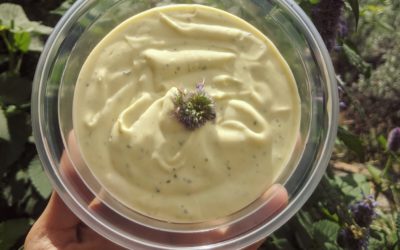
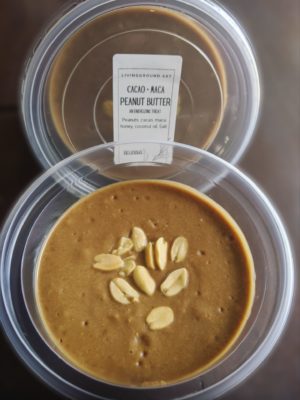
We have an array of lovingly handcrafted products that cater to your well-being. From Bug Off Serums that effectively repel pesky insects to herbal whipped butters, salsas, and vitamin C jams, each creation is a testament to our commitment to excellence and quality. Indulge your taste buds with our mouthwatering curries that celebrate the art of culinary flavors.

As the beginnings of our Natural Health Food Store Pod, we aim to offer our community a variety of amazing products that embody the essence of holistic well-being. However, our secret ingredient lies within the microbes of our soil, which we carefully farm to ensure the highest nutritional value in all our plants.

Join us in this journey of regenerative agriculture and discover the wonders of microbe-rich foods, inspired by the abundance and wisdom of the Earth. Together, we can create a sustainable future and nurture a thriving community dedicated to holistic health and well-being.    To learn more about the nutrition loss, here is a great article https://www.scientificamerican.com/article/soil-depletion-aND-NUTRITION-LOSS/

At Living Ground, we are on a mission to restore the balance between our bodies and the Earth through nurturing the soil and harnessing the potential of beneficial microbes. Our Saturday market serves as a celebration of this vision, where we invite you to experience the joys of living in harmony with nature while nourishing your body and soul with our thoughtfully crafted offerings.