Description
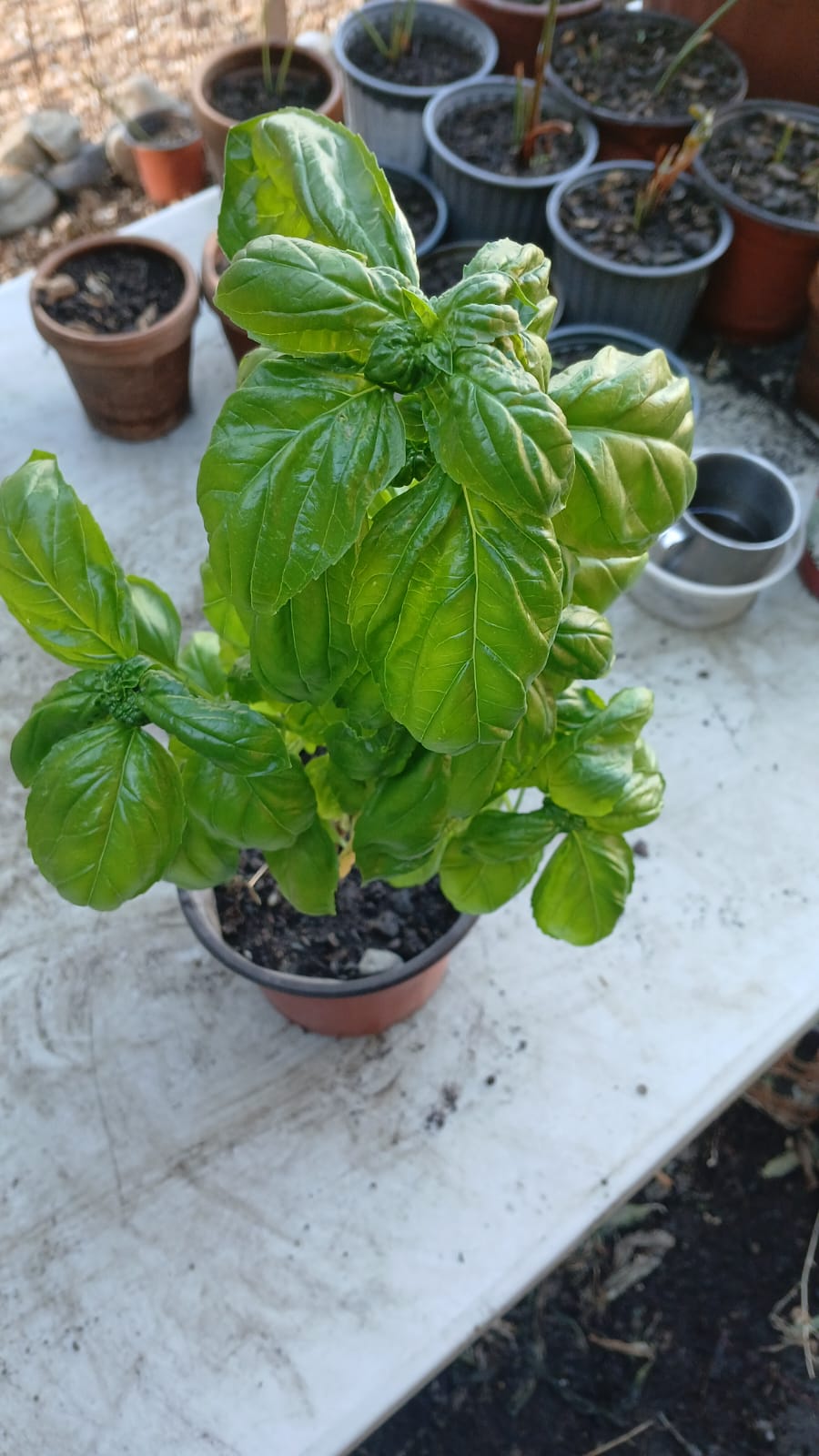
Green Basil
Green basil has always been one of my favourite herbs. Since I was a young woman, basil has had a habit of appearing in my gardens all on its own. I would plant it in one place, let a few plants flower and go to seed, and before long little basil seedlings would begin popping up wherever they found a patch of soil they liked. I have always loved that about basil. It feels like a plant that wants to stay close.
Basil, Ocimum basilicum, is part of the mint family and has been valued as both food and medicine for generations. The leaves are wonderfully aromatic, containing natural plant compounds and essential oils that give basil its unmistakable fragrance and flavour. Traditionally, basil has been used to support digestion, particularly after heavier meals, and as a gentle herb for the stomach. It has also been used as a calming aromatic herb when the body feels tense, tired or unsettled.
Fresh basil is also a beautiful way to bring nutrient-rich green leaves into the diet. It provides plant pigments, minerals and phytonutrients while stimulating the senses through its strong aroma. I especially appreciate herbs like basil because food and medicine are not really separate things. A handful of fresh basil added to a meal can contribute flavour, nourishment and the complex chemistry of a living plant all at once.
In the kitchen, basil is endlessly useful. Tear the fresh leaves over tomatoes, add them to salads, soups and vegetables, blend them into pesto, stir them through pasta, use them with eggs, or add them at the very end of cooking so their fragrance remains bright. Basil pairs beautifully with tomato, garlic, olive oil, cheese, lemon, beans, zucchini, eggplant and many other garden foods. The flowers are edible too and make a lovely addition to salads and garnishes.
Basil loves warmth, sunshine and living, well-drained soil. One of the best tricks for getting a large, bushy basil plant is to keep picking the growing tips and removing the flower heads as soon as they appear. Once basil is allowed to flower and set seed, the plant begins shifting its energy toward reproduction. In simple garden language, the plant thinks its job is done. By continually pinching off the flowers, you encourage it to keep producing new leaves and branches, and the plant can become surprisingly large and full.
I usually allow a few plants to flower toward the end of the season so they can produce seed and return as volunteers. The rest I keep pinched back for as long as possible so I can continue harvesting plenty of fresh leaves.
For me, basil is much more than a culinary herb. It is one of those familiar plants that has followed me through different gardens and different stages of my life. I never seem to have enough of it, and I am always happy when I see those first little volunteer basil seedlings appearing again.

Reviews
There are no reviews yet.