
Description
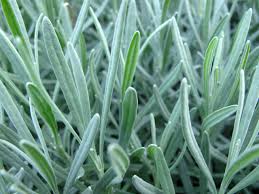
A strongly aromatic member of the mint family, Bergamot is known for leaves with a distinctive citrusy, mint-like fragrance reminiscent of bergamot orange. The leaves can be used fresh or dried for herbal teas, infusions and culinary preparations, and the plant is traditionally valued as both an aromatic herb and a beautiful pollinator plant.
Miembro muy aromático de la familia de la menta, la Bergamota es conocida por sus hojas con una fragancia característica, cítrica y mentolada, que recuerda a la naranja bergamota. Las hojas pueden utilizarse frescas o secas para preparar tés de hierbas, infusiones y preparaciones culinarias. Tradicionalmente, esta planta también ha sido valorada como hierba aromática y como una hermosa planta para atraer polinizadores.
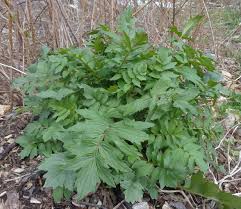
Our Bergamot has been growing here in southern Ecuador for some time and has remained healthy and leafy, but interestingly, it has never flowered. This may be connected to our equatorial growing conditions. Monarda is originally a temperate North American plant and normally flowers during the long days of summer. Here in southern Ecuador, our day length remains close to 12 hours throughout the year, so the plant may never receive the longer-day seasonal signal that normally encourages it to move from leafy growth into flowering.
Nuestra Bergamota lleva algún tiempo creciendo aquí, en el sur del Ecuador, y se ha mantenido sana y con abundante follaje, pero curiosamente nunca ha florecido. Esto puede estar relacionado con nuestras condiciones de cultivo ecuatoriales. La Monarda es originaria de las regiones templadas de Norteamérica y normalmente florece durante los largos días del verano. Aquí, en el sur del Ecuador, la duración del día se mantiene cerca de las 12 horas durante todo el año, por lo que posiblemente la planta no recibe la señal estacional de días largos que normalmente estimula el paso del crecimiento de hojas a la floración.
It is a fascinating example of how plants respond not only to soil fertility and nutrition, but also to light, season, temperature and place. Even in living, microbially active soil, a plant is still responding to the environmental rhythms written into its genetics.
It is a fascinating example of how plants respond not only to soil fertility and nutrition, but also to light, seasons, temperature, and the location where they grow. Even in living, biologically active soil, the plant continues to respond to environmental rhythms that are part of its genetic makeup.
Our plant has a particularly strong bergamot aroma when the leaves are crushed, making it valuable even without flowers. We continue to grow and observe it as part of our living collection of medicinal and aromatic plants, while experimenting with light and growing conditions to see whether we can eventually encourage it to bloom here in Ecuador.
Our plant has a particularly intense bergamot aroma when the leaves are rubbed or crushed, making it valuable even without flowers. We continue to cultivate and observe it as part of our living collection of medicinal and aromatic plants, while experimenting with light and growing conditions to see if we can encourage flowering here in Ecuador.


Reviews
There are no reviews yet.